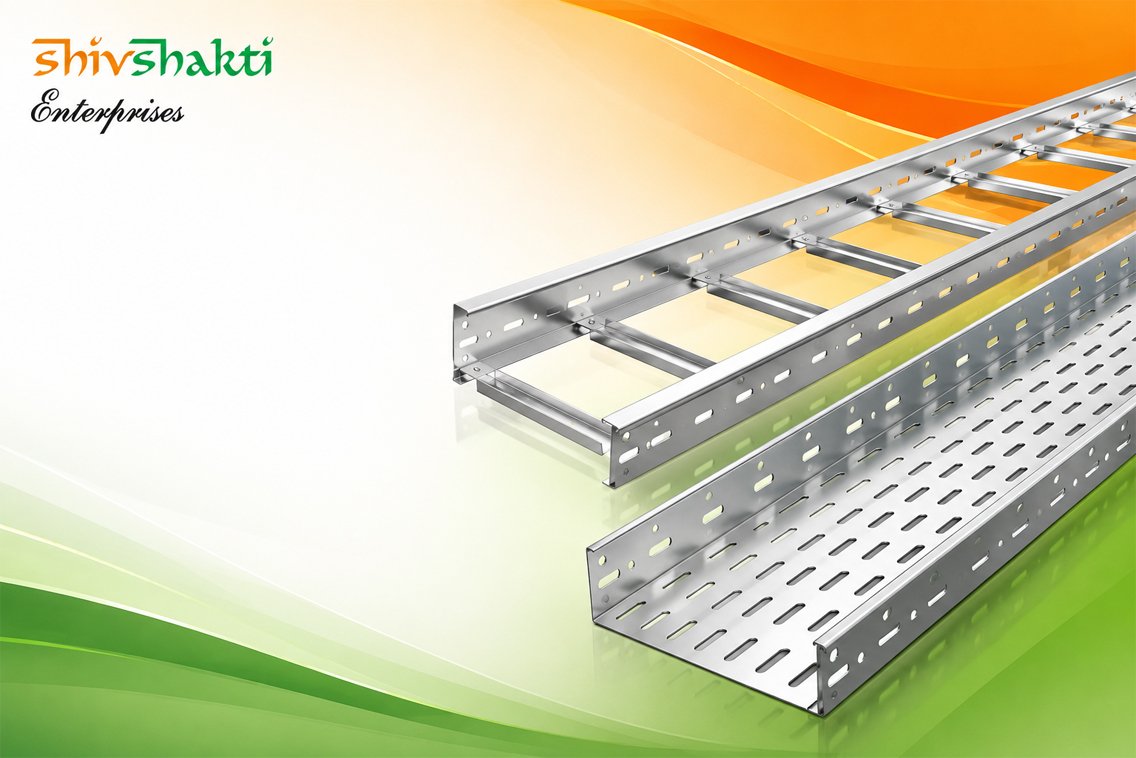
Cable Tray Accessories: The Essential Components That Ensure Safe and Efficient Cable Management
Modern electrical systems depend on more than just high-quality cables and cable trays. Behind every organized, secure, and reliable cable management system lies a range of cable tray accessories that ensure proper installation, structural stability, and long-term performance. Whether in industrial plants, commercial buildings, power stations, hospitals, or data centers, these accessories play a crucial role in creating a safe and efficient cable support system.
While cable trays provide the primary pathway for routing cables, accessories help connect tray sections, change directions, support varying cable loads, and adapt the system to complex building layouts. Choosing the right accessories not only improves the strength of the installation but also reduces maintenance costs and enhances overall electrical safety.
In this blog, we’ll explore the importance of cable tray accessories, their types, applications, benefits, and factors to consider when selecting them for your next project.
What Are Cable Tray Accessories?
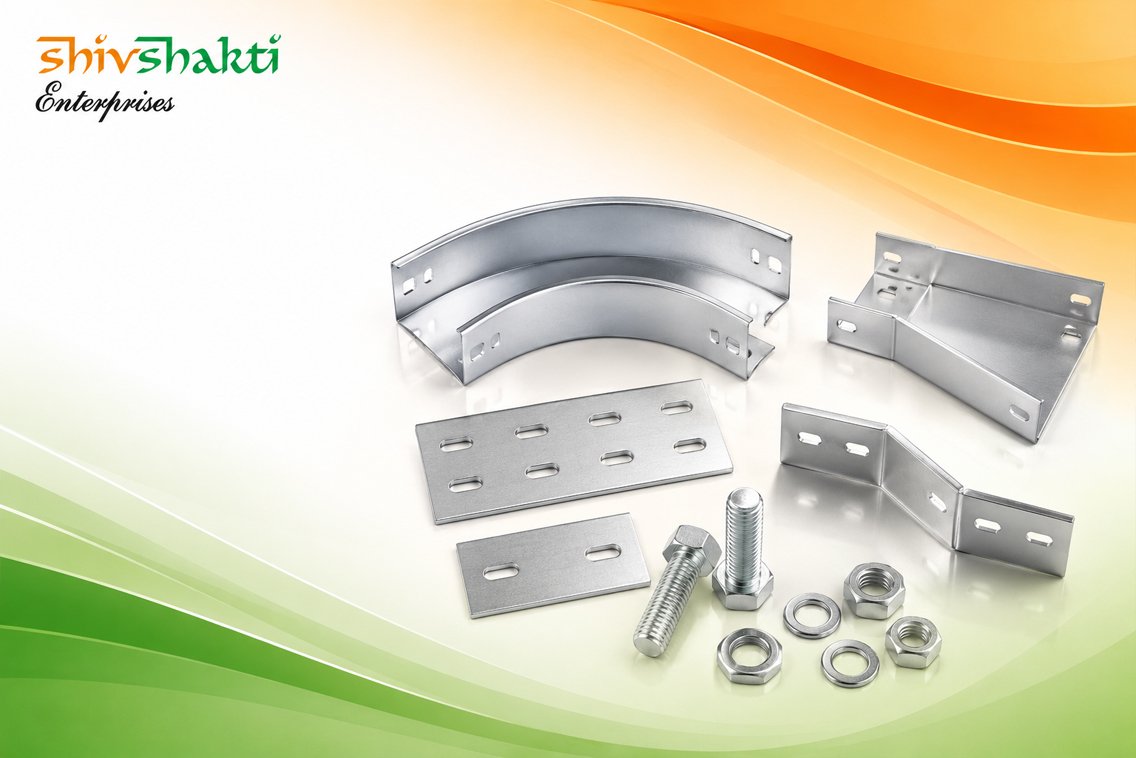
Cable tray accessories are supplementary components used alongside cable trays to create a complete cable management system. They enable installers to join tray sections, navigate corners, change elevations, branch cable routes, terminate tray ends, and securely mount the tray structure.
Without the appropriate accessories, even the highest-quality cable tray cannot deliver optimal performance. These components ensure that cables remain properly supported throughout the installation while maintaining the structural integrity of the entire system.
Cable tray accessories are manufactured to match the dimensions, material, and load capacity of the cable tray, ensuring seamless integration and reliable performance.
Why Are Cable Tray Accessories Important?
A cable tray system is only as strong as the components that connect and support it. Accessories provide flexibility, durability, and safety throughout the installation.
Some of the major reasons why cable tray accessories are essential include:
- Providing secure mechanical connections between tray sections
- Supporting cable loads evenly across the installation
- Protecting cables during directional changes
- Improving installation efficiency
- Simplifying maintenance and future expansion
- Enhancing the appearance of cable routing
- Ensuring compliance with electrical installation standards
Properly selected accessories reduce the risk of tray misalignment, cable sagging, and structural failure.
Common Types of Cable Tray Accessories
A complete cable tray system includes several accessories, each designed for a specific purpose. Understanding these components helps ensure proper installation and efficient cable routing.
Coupler Plates
Coupler plates are used to connect two cable tray sections securely. They provide mechanical strength while maintaining proper alignment throughout the cable route.
These connectors are available in various sizes to suit different tray widths and load capacities. Strong coupler plates help maintain structural stability, particularly in long cable runs.
Bolts, Nuts, and Fasteners
High-quality fasteners are essential for assembling cable tray systems. They securely hold couplers, supports, bends, and other accessories together while preventing movement caused by vibration or heavy cable loads.
Corrosion-resistant fasteners are recommended for outdoor and industrial environments where moisture or chemicals may be present.
Horizontal Bends
Buildings rarely have perfectly straight cable routes. Horizontal bends allow cable trays to change direction smoothly without putting unnecessary stress on the cables.
Available in different angles such as 30°, 45°, and 90°, these accessories help maintain the minimum bending radius required for electrical cables.
Vertical Bends
Vertical bends allow cable trays to move upward or downward when navigating different floor levels or equipment elevations.
These accessories are commonly used in multi-story buildings, industrial facilities, and utility installations where cable routing requires elevation changes.
Tee Sections
Tee sections create branch pathways from the main cable tray route. They allow electrical systems to distribute cables efficiently to different departments, equipment, or electrical panels.
Tee fittings are particularly useful in manufacturing plants and commercial complexes where multiple cable routes originate from a central distribution point.
Cross Sections
Cross sections connect four cable tray directions at a single intersection. They simplify cable routing in large facilities with complex electrical layouts and multiple distribution paths.
These fittings help maintain an organized and symmetrical cable management system.
Reducers
Different sections of an installation may require varying cable tray widths depending on cable volume.
Reducers connect wider trays to narrower ones without interrupting cable continuity, allowing smooth transitions while optimizing space utilization.
End Caps
End caps are installed at the exposed ends of cable trays to eliminate sharp edges that could damage cable insulation or pose safety hazards during maintenance.
They also improve the overall appearance of the installation by providing a neat and finished look.
Cable Tray Covers
Although many cable tray systems remain open, covers provide additional protection in environments exposed to dust, debris, sunlight, moisture, or accidental contact.
Tray covers help safeguard sensitive electrical and communication cables while maintaining system cleanliness.
Support Brackets
Support brackets are essential for securing cable trays to walls, ceilings, floors, or structural beams.
Various bracket designs are available depending on installation requirements, including wall-mounted supports, cantilever brackets, trapeze hangers, and floor stands.
Proper support spacing ensures the tray can safely carry the intended cable load without excessive deflection.
Benefits of Using High-Quality Cable Tray Accessories
Selecting premium accessories offers numerous operational advantages beyond simple installation.
Improved Structural Stability
Strong connectors and support systems ensure that cable trays remain securely aligned even under heavy cable loads.
Enhanced Electrical Safety
Proper accessories reduce cable movement, prevent sharp bends, and minimize mechanical stress, helping protect cable insulation from damage.
Easier Installation
Well-designed accessories simplify installation by allowing quick assembly, accurate alignment, and smooth cable routing.
This reduces labor costs while accelerating project completion.
Simplified Maintenance
Modular accessories allow individual tray sections to be removed or modified without dismantling the entire cable management system.
This makes inspections, repairs, and future upgrades far more efficient.
Better Cable Organization
Accessories such as tees, reducers, bends, and crosses help maintain neat and organized cable layouts, reducing confusion during troubleshooting or expansion projects.
Factors to Consider When Selecting Cable Tray Accessories
Choosing the right accessories is essential for achieving a safe and durable cable management system.
Important factors include:
Compatibility
Accessories should match the cable tray’s width, height, thickness, material, and load capacity to ensure a secure fit.
Load Requirements
Heavy industrial installations require stronger connectors and supports capable of handling substantial cable weights.
Environmental Conditions
Outdoor installations, coastal areas, and chemical industries require corrosion-resistant materials such as hot-dip galvanized steel or stainless steel.
Installation Layout
The complexity of the cable route determines the number and type of bends, tees, reducers, and cross fittings required.
Compliance with Standards
Always select accessories manufactured according to recognized electrical and structural standards to ensure long-term safety and reliability.
Applications of Cable Tray Accessories
Cable tray accessories are used across nearly every industry where electrical systems are installed.
Some common applications include:
- Manufacturing industries
- Power generation plants
- Oil and gas facilities
- Data centers
- Hospitals
- Airports
- Shopping malls
- Commercial office buildings
- Educational institutions
- Pharmaceutical industries
- Warehouses
- Infrastructure projects
- Renewable energy installations
- Water treatment plants
Each industry requires a customized combination of accessories depending on cable routing complexity and environmental conditions.
Conclusion
Cable tray accessories are the backbone of every successful cable management system. From coupler plates and support brackets to bends, tees, reducers, and covers, each component plays a vital role in ensuring that electrical cables are routed safely, securely, and efficiently.
Selecting the right accessories is just as important as choosing the right cable tray. By considering factors such as load capacity, environmental conditions, compatibility, and installation requirements, businesses can build cable management systems that are durable, organized, and easy to maintain.