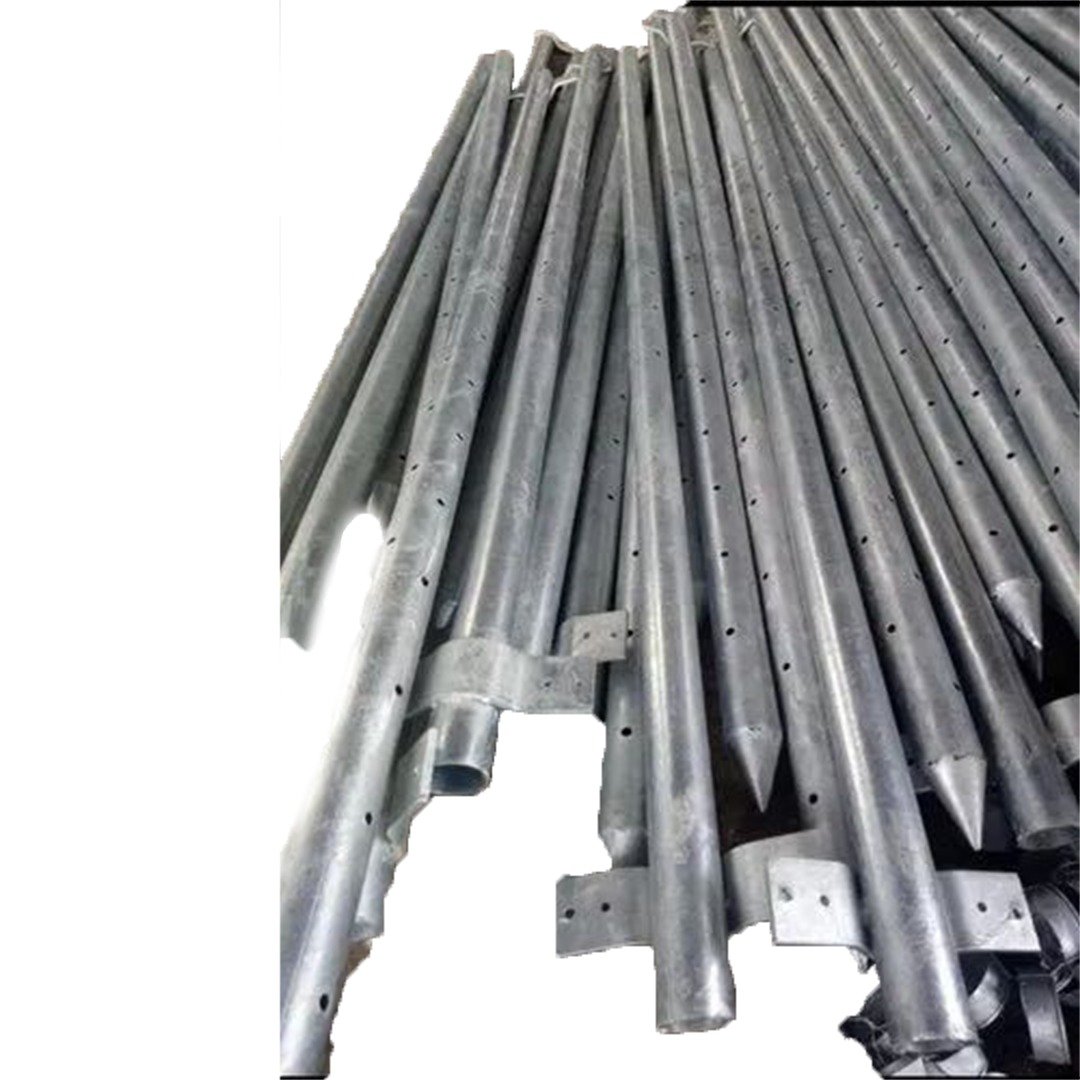
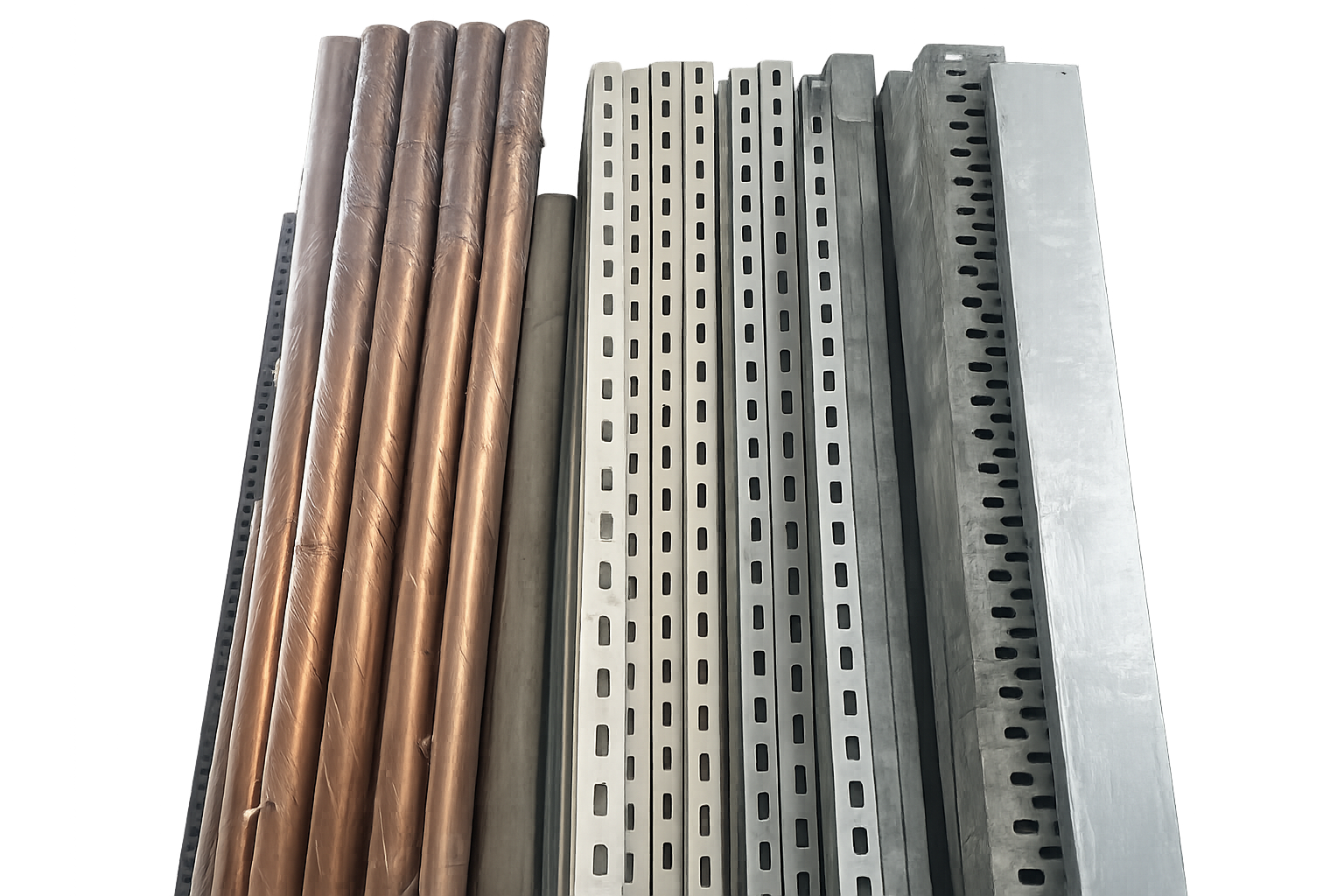

Earthing Materials
Electrical safety is one of the most critical aspects of any residential, commercial, or industrial electrical installation. While advanced electrical equipment and protective devices help maintain system performance, none of them can function effectively without a reliable earthing system. Earthing serves as the first line of defense against electrical faults, protecting people, equipment, and infrastructure from potentially dangerous electrical hazards.
At the heart of every effective earthing system are high-quality earthing materials. These components work together to safely dissipate fault currents into the ground, preventing electric shocks, reducing the risk of fire, and ensuring the proper functioning of protective devices.
Whether it’s a manufacturing plant, power station, commercial building, hospital, or renewable energy project, selecting the right earthing materials is essential for long-term electrical safety and operational reliability.
In this blog, we’ll explore the importance of earthing materials, their types, applications, benefits, and the factors to consider when designing an efficient grounding system.
What Are Earthing Materials?
Earthing materials are specialized components used to establish a low-resistance electrical connection between electrical equipment and the earth. Their primary purpose is to provide a safe path for fault currents, lightning strikes, and electrical surges to flow into the ground, thereby protecting both people and electrical installations.
An effective earthing system consists of multiple interconnected components, including electrodes, conductors, connectors, inspection chambers, and conductive compounds. Together, these materials create a stable and durable grounding network capable of handling electrical faults safely.
The quality of earthing materials directly affects the performance and longevity of the grounding system, making proper material selection a critical part of electrical infrastructure planning.